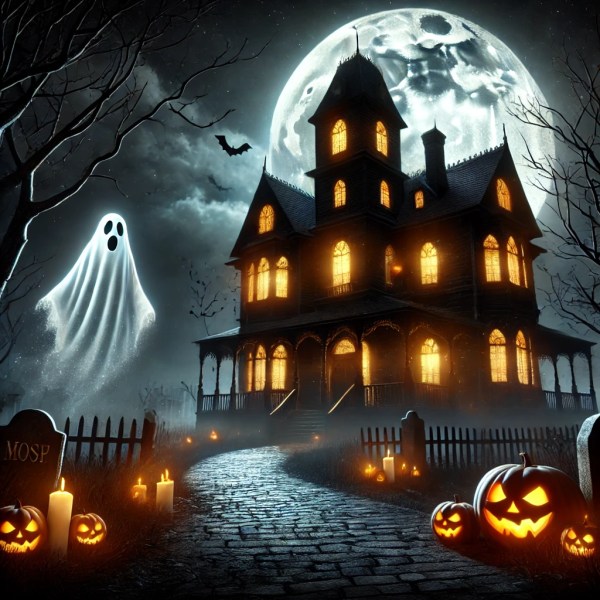
Ghosts and Halloween: A Spooky Tale

Halloween has long been a time when we embrace the eerie, the strange, and the supernatural. For many, this season is a chance to explore ghost stories, gather around haunted houses, and let our imaginations run wild with thoughts of the afterlife. But what is it about ghosts that captivate us every year on Halloween?

From ancient folklore to modern paranormal investigations, ghosts have been central to our fascination with the unknown. Many cultures believe that on Halloween, or All Hallows’ Eve, the veil between the living and the dead is at its thinnest, making it the perfect time for spirits to walk among us. The belief in ghosts isn’t just about fear—it’s about mystery, history, and our desire to connect with the past.

Whether it’s ghostly figures wandering through old houses or the whispers of long-forgotten souls, the theme of ghosts adds a rich layer of depth to Halloween celebrations. Ghosts are reminders of those who once lived, and their presence can be both chilling and nostalgic. They symbolize that much about life and death remains unknown, and Halloween invites us to confront these mysteries head-on.

One of the reasons ghosts remain such a staple of Halloween is their versatility. They can be portrayed as friendly, mischievous spirits like in family Halloween movies or as terrifying apparitions lurking in the dark, perfect for a haunted house experience. Either way, they capture our imaginations and remind us that Halloween is a time to embrace the supernatural.

So, as you carve your pumpkins, dress up in costumes, and enjoy the spooky season, remember that ghosts are much more than just a Halloween decoration. They are a bridge to the unknown, sparking both fear and curiosity, and they will continue to haunt our imaginations for many Halloweens to come.
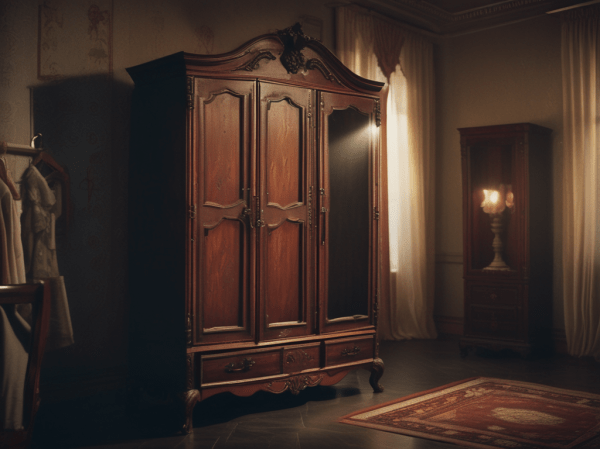

Haunted Furniture: Unveiling Its Eerie Origins

The concept of haunted furniture has intrigued and unsettled many for centuries. From cursed chairs to ghostly apparitions seen near antique wardrobes, stories abound of furniture, bringing more than just a touch of history into your home. But can an inanimate object like a piece of furniture genuinely carry the essence of a ghost or a spirit? Let’s explore the eerie world of haunted furniture and how it can bring paranormal activity into your home.

The Origins of Haunted Furniture

The idea that objects can be haunted is not new. Throughout history, certain items have been linked to supernatural occurrences, often due to their association with tragic or violent events. In the case of furniture, pieces that have seen trauma, like a murder or untimely death, are often at the center of these ghostly tales. The theory is that the emotional energy from these events can imprint on the object, making it a vessel for spirits to inhabit or visit.

Antique furniture, in particular, is often considered a prime candidate for being haunted. These items have a long history, passed down through generations, and the past owners’ energies and experiences are thought to linger, creating an environment ripe for paranormal activity.

Signs of Haunted Furniture

How do you know if your antique armoire or vintage sofa harbors a ghostly tenant? While there’s no definitive way to prove that furniture is haunted, there are some signs that people often report:

  1. Cold Spots: If you notice an unexplained chill around a particular piece of furniture, especially in an otherwise warm room, this can signify paranormal activity.
  2. Unusual Noises: Creaking, tapping, or whispering near the furniture can be unsettling. These sounds are often reported in connection with haunted items.
  3. Strange Odors: Some haunted furniture can have odd, often foul smells with no visible source.
  4. Apparitions: The most dramatic sign of a haunted object is the appearance of a ghostly figure near or around the item. These apparitions are often linked to the past owners or individuals who had a significant connection to the piece.

Can Haunted Furniture Bring Ghosts into Your Home?

The idea that a ghost can attach itself to a piece of furniture and follow it into a new home is a common theme in paranormal lore. When you bring an antique or second-hand item into your space, you can invite the spirit attached to it. This is why some people are cautious about purchasing furniture from estate sales, auctions, or antique shops, especially if the item’s history needs to be clarified.

While skeptics argue that these stories are simply the product of overactive imaginations, believers in the paranormal suggest that the emotional or spiritual energy tied to an object can linger. In some cases, this energy will manifest as haunting, particularly if the spirit feels a solid connection to the item or to the environment it’s now in.

Protecting Your Home from Haunted Items

If you’re concerned about bringing haunted furniture into your home, there are a few precautions you can take:

  • Cleanse the Item: Many people use cleansing rituals, like smudging with sage, to remove any lingering negative energy or spirits from an object.
  • Research the History: Before purchasing an antique, learn as much as possible about its history. Knowing where it came from and who owned it can help you assess whether this item will carry any unwanted spiritual baggage.
  • Trust Your Instincts: If furniture makes you feel uneasy, avoid bringing it into your home.

In conclusion, while the idea of haunted furniture sounds like something from a horror movie, it’s a concept that has been around for ages. Whether you believe in the supernatural or not, it’s always fascinating to consider the stories and history attached to the items we bring into our homes. The next time you’re shopping for a new antique piece, remember—you could be inviting more than a piece of history into your home!

The Enchanting Tradition of Bottle Trees

Southern Charm

In the deep, mystical corners of the American South, where folklore and tradition weave into the fabric of daily life, you might come across an enchanting sight: bottles hanging from tree branches. This practice, found primarily in states like Louisiana, Mississippi, Georgia, and South Carolina, is more than a quirky decoration; it’s a rich tradition steeped in history and spiritual significance.

The tradition of hanging bottles in trees, often referred to as “bottle trees,” is believed to have originated in the Congo region of Africa. Enslaved Africans brought the practice to the United States, where it blended with other cultural influences and evolved into the tradition known today. The custom is deeply rooted in African spirituality and the belief in the protective power of spirits.

The primary purpose of bottle trees is to capture and trap evil spirits. According to the folklore, spirits are attracted to the shimmering colors of the bottles, especially blues and greens. Once the spirits enter the bottles, they become trapped and are unable to escape. When the wind blows, it is said to make the spirits moan, a sound believed to be the trapped spirits trying to escape.

Over time, the practice spread across the southern United States, becoming particularly prevalent in the Mississippi Delta region. Today, you can find bottle trees not only in Louisiana and Mississippi but also in Georgia, South Carolina, Alabama, and even stretching into parts of Texas, Tennessee and Virginia.

Creating a bottle tree is both an art and a ritual. Traditionally, a dead tree or large branch is used, though some modern interpretations involve metal rods or other structures. Bottles, often blue for their association with protection, are placed over the branches or hung from rope or twine. The bottles can be old wine bottles, soda bottles, or any glass bottle that catches the light and the imagination.

The tree is typically placed near the home, either in the yard or by the front porch, serving as both a protective talisman and a decorative feature. Over time, bottle trees have also become a symbol of Southern hospitality and creativity, with some even becoming intricate art installations.

While the spiritual aspect remains significant for many, bottle trees have also been embraced for their aesthetic and cultural value. They are celebrated in folk art, featured in gardens, and displayed in various forms across the South. Festivals and art shows sometimes feature bottle tree displays, highlighting their role as a bridge between past traditions and contemporary art.

The practice of hanging bottles in trees is a captivating blend of history, spirituality, and artistry. Rooted in African traditions and adapted by communities in the South, bottle trees stand as a testament to cultural resilience and creativity. Whether seen as a spiritual safeguard or an artistic expression, these colorful trees continue to enchant and intrigue, connecting the past with the present in a uniquely Southern tradition.

Blog at WordPress.com.

Up ↑